NEPA Builders works with homeowners throughout Northeast Pennsylvania who are considering building a new home and want straightforward answers before moving ahead. At this stage, most people are comparing builders, researching budgets, and deciding how to move from ideas to action. Building a new home is a major financial and emotional investment, so clarity matters from the outset. The more you understand the process, the easier it becomes to plan responsibly and avoid surprises.
For many homeowners, the search starts online with questions about cost, timelines, and design options. Others want to know how communication works, or what the construction process looks like in real life. This article expands on the six most common questions homeowners ask before building a new home and adds context to help you evaluate your options.
1. How Much Does It Cost to Build a New Home?
The cost to build a new home varies widely based on location, site conditions, and design choices. Items like wells, septic systems, access to public utilities, grading, and driveway length all affect the final price. A home built in town with existing utilities usually comes closer to predictable pricing, while rural properties often require more site work, which increases costs.
Many homeowners ask about cost per square foot to build a new home as a starting point. While this metric can help frame expectations, it should never replace a detailed estimate based on your specific project. As a very broad average, a home built in town with access to public utility hookups and a short driveway may fall in the range of $275–$300 per square foot, depending on size and finishes. In some cases, pricing that sounds far below current market rates may leave out critical components. Asking questions, reviewing scope, and requesting references are practical steps that can help you discern whether a quote is realistic or not.
2. How Long Will the Build Take?
Construction timelines depend on several factors, including the size of the home, complexity of the design, site readiness, and how much planning happens before breaking ground. A well-organized pre-construction phase often shortens the overall schedule by reducing delays once work begins.
On a recent home build in Tunkhannock, seven months was achievable under the right conditions, though every build is different. Weather, material availability, inspections, and homeowner selections all influence progress. Understanding the timeline helps families plan move-out dates, financing, and living arrangements. When building a new home, patience paired with realistic expectations creates a smoother experience and fewer disruptions along the way.
3. What Is Your Design Process Like?
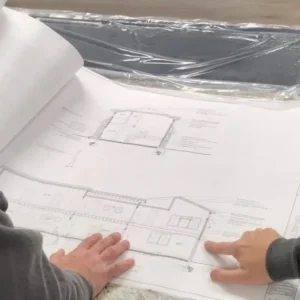
Design plays a big role in how successful a home build feels once construction begins. For homeowners without existing plans, a structured design and build process helps transform ideas into a practical layout that fits both lifestyle and budget. This stage focuses on room flow, storage needs, energy efficiency, and how the home sits on the lot.
Spending more time on design often reduces costly changes later. It also allows homeowners to see how their priorities align with construction realities. Understanding how design decisions affect cost, timeline, and future maintenance gives homeowners greater confidence before moving into construction.
4. Do You Have Model Home Plans We Can Look At?
Some builders rely on model homes, but that approach often falls short for homeowners who want a plan that truly fits their life and property. Rather than choosing from pre-designed layouts, starting with your land and the way you live leads to a much more accurate result. Factors like views, privacy, daily routines, family needs, and how you move through your space all shape the right design.
With today’s planning technology, it is possible to show homeowners a much closer approximation of what their future home will look like on their actual site. This process creates a plan that responds to real conditions instead of forcing a model to fit. The result is a layout that functions better, reflects how you live day to day, and provides more clarity than any model plan could offer.
If you’re looking for inspiration, explore our Project Gallery to see a wide range of our completed work. But if you really want to understand what it’s like to build with NEPA Builders—from the challenges homeowners faced to the results we delivered—take a moment to visit our Case Studies page. That’s where you’ll see the full story behind the project, not just the finished photos.
5. Can We Visit an Active Job Site?
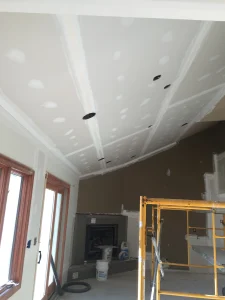
Seeing a home under construction gives homeowners valuable insight into the building process. Visiting an active job site shows how crews operate, how materials are handled, and how organized the project remains day to day. It also opens the door for real-time questions about scheduling, inspections, and workflow.
Many homeowners also value speaking with past clients to hear about their experience after move-in. References and job site visits work together to provide a clearer picture of what to expect. For those building a new home for the first time, this step often brings peace of mind and reinforces trust before making a final decision.
6. How Will Communication Work During the Project?
Strong communication helps reduce stress during construction. Homeowners often want to know who they will work with and how updates are shared. A common structure starts with a project consultant during early planning, followed by a dedicated project manager throughout construction.
Updates may include phone calls, emails, texts, builder logs, and progress reports. These touchpoints keep homeowners informed about next steps, material timing, and decisions that need input. Knowing how communication works ahead of time helps homeowners stay involved without feeling overwhelmed or disconnected from the process.
Planning Ahead: A Smarter Way to Build
Building a new home goes more smoothly when expectations are clear from the beginning. Understanding costs, timelines, design options, and communication practices allows homeowners to build with confidence. Creating a realistic “building a new home” checklist that includes budget planning, site evaluation, and builder research can make the entire experience more manageable.
If you are exploring options in Northeast Pennsylvania and want reliable guidance, contact NEPA Builders today to discuss your goals and next steps.